
Key points:
- Review cath lab demand before buying new equipment.
- Match equipment with procedure needs and future growth.
- Improve workflow before adding another system.
- Reduce downtime with proper maintenance support.
- Plan for changing and complex procedure types.
- Schedule installation to avoid clinical disruption.
- Use data for better equipment decisions.
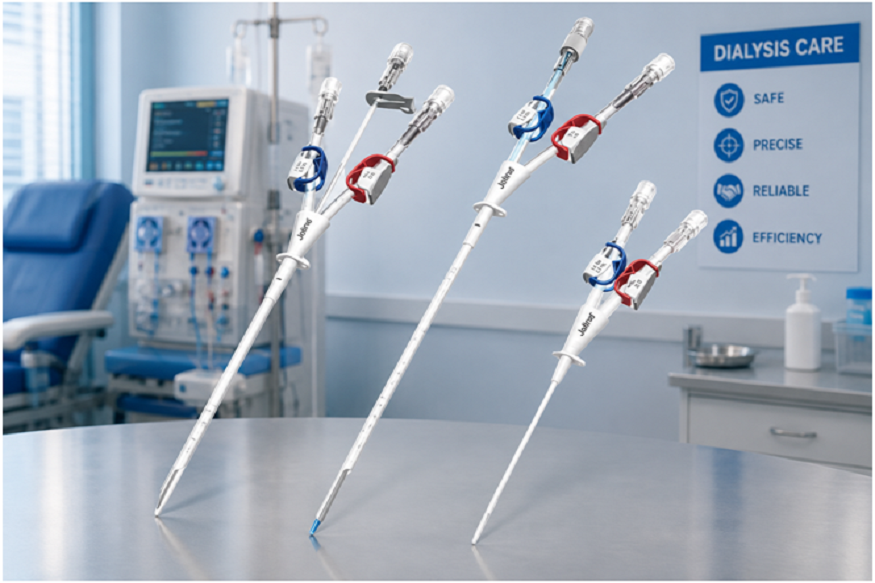
There is a lot more to running a dialysis facility than simply buying the machines and putting them in treatment rooms. All equipment has a useful life in terms of function, maintenance needs, replacement issues, and effect on patient capacity. As clinics grow, these factors become even more critical. A facility may need to add treatment stations, upgrade older systems, redesign workflows, or prepare for higher patient numbers without disrupting daily care.
Good equipment planning can make these changes easier to manage. An experienced dialysis equipment supplier can help healthcare organisations look beyond an immediate purchase and consider how equipment will perform, be maintained, and eventually be replaced over time. This same planning process also supports facility expansion by enabling teams to understand equipment capacity, infrastructure needs, future service needs, and long-term operating costs.
Planning for the equipment life cycle is not a technical exercise for dialysis providers. This helps sustain reliable treatment environments and prepare the facility for future demand.
Understanding the Lifecycle of Equipment
Medical devices have several phases in their working life. It begins with selection and installation, then regular use, preventive maintenance, repairs, upgrades, and then replacement or retirement. The same applies to dialysis equipment. Machines can run for years. But age alone does not determine whether they should continue to be used. You must consider all of these. Reliability, frequency of repair, availability of parts, software compatibility, service history, and treatment requirements.
A facility that pays attention to these things can make better replacement decisions rather than simply reacting to a sudden machine breakdown. Planned replacement also helps with budgeting, allowing administrators to see when major investments may be required. Therefore, lifecycle planning should consider equipment age, utilisation rates, maintenance records, current condition, warranty status, expected service life, and availability of technical support. This information helps clinical and operational teams better understand their fleet of equipment.
It also helps avoid a common problem: continuing to run older equipment just because it is still working. Technically, a machine might be working but requiring more and more maintenance or causing downtime that could have been avoided.
Planning is Crucial When Expanding
Facility expansion, while often met with excitement as a sign of growth, also brings with it a host of practical challenges. Additional dialysis stations may require electrical upgrades, water treatment capacity, additional storage, patient flow changes, and space for equipment servicing. If you buy more machines without considering these surrounding needs, you can find yourself with holdups down the line.
For example, a clinic planning to add additional treatment stations would need to know if its current infrastructure could handle the additional load. A review of water systems, drainage, power supply, infection-control arrangements, and physical treatment space may be needed. Thus, equipment planning should begin early in the expansion process, not after construction decisions have been made.
Early coordination allows facility managers, clinical teams, engineers, architects, and equipment partners to identify practical requirements before installation. It also minimises the risk of expensive changes once rooms are already finished.
Performing a Clear Equipment Inventory
The best place to start is with a complete equipment inventory. This record shall include all dialysis machines and associated auxiliary equipment used in the facility. Instead of just model numbers, the inventory should have information that helps administrators understand each asset’s condition and importance.
It can also highlight patterns that are difficult to detect during day-to-day operations. For example, several machines bought at the same time may reach their replacement age at about the same time. Without planning, the facility could face a large capital expense in one financial year. Knowing this ahead of time gives administrators more time to stagger upgrades where appropriate.
Performance Evaluation of Equipment
Equipment performance needs to be regularly reviewed, not just when problems arise. Maintenance crews often have valuable insight into what machines need repeated attention. Clinical staff may also note differences in usability, alarms, setup time, or consistency of operation.
When all of these observations are combined, management has a much more realistic picture of equipment condition. Each repair may have been relatively minor, but a machine that has had several repairs in the past year may warrant closer scrutiny. Repeated downtime can affect scheduling, staff workload, and patient capacity.
Performance reviews may include checking whether the machine is working steadily, whether it needs more frequent fixes, and whether spare parts are still easily available. Facilities may also review if service support is still ongoing, whether the equipment remains acceptable for clinical use, and whether newer models offer real operating improvements.
These reviews do not mean older machines should automatically be replaced. Instead, they help facilities make informed decisions based on reliability, cost, and practical value.
Planning Device Distribution Support
When a machine breaks down unexpectedly and cannot be repaired quickly, administrators may be forced to make purchases under pressure. Time constraints can create challenges around product availability, delivery schedules, budget approvals, and staff training. Working with reliable medical device distribution channels can make planned replacements easier by improving access to suitable equipment before an urgent need develops.
Getting Staff Ready for New Equipment
Staff training may be required for new machines or upgraded systems. The overall treatment process will be familiar, but the controls, software, alarm settings, cleaning procedures, and routine maintenance may be different and will affect your daily use. The ideal is to complete the training before new equipment is incorporated into the regular treatment schedule.
This allows staff to learn the system without the time pressures of learning during a busy clinical shift. A phased implementation might be helpful for facilities that are adding multiple machines at once. You can bring in a smaller group first, and the teams can work out practical issues before the entire new fleet is operational. Managers should also maintain training records to confirm that the required training has been provided to the appropriate team members.
Budgeting for More than the Purchase Price
The cost of equipment is an important consideration, but the initial purchase price is only part of the financial picture. A lifecycle plan should cover installation, maintenance, spare parts, training, accessories, warranties, technical support, and eventual replacement. A lower purchase price isn’t always the lowest long-term cost if maintenance becomes expensive or parts become hard to find.
Likewise, newer equipment may require a larger upfront investment, but may offer operational advantages that serve the facility well for years to come. Therefore, administrators should compare total ownership considerations rather than just acquisition price. If expansion is to be done on a multiple machine basis, even small differences in ongoing service costs can become large over the life of the equipment.
Making plans more Flexible
Patient numbers may increase, treatment models may change, technology may advance, and regulations may change. Facilities that build flexibility into their equipment plans are generally better positioned to deal with these changes. Rather than looking at expansion as a one-time event, administrators can consider how the facility may need to expand again in three, five, or ten years.
That could mean reserving space, increasing infrastructure capacity, selecting systems that will be able to integrate with future technology, or developing replacement schedules that will prevent large groups of machines from reaching end-of-life at the same time. Flexible planning doesn’t require predicting every future development. It’s just a matter of not making choices that unnecessarily limit your options in the future.”
A More Practical Approach to Grow In The Long Run
The best way to grow a dialysis facility is to consider equipment planning as part of the overall operating strategy, not as a last-minute buying mission. Good inventory, periodic condition reviews, planned replacement schedules, infrastructure assessment, staff training, and realistic budgeting can all help facilities prepare for growth with fewer surprises. It’s not necessarily about swapping gear all the time. It is about knowing what the facility has, how well each asset is performing, what support needs it has, and when replacement may make practical sense.
Nexamedic can provide dependable support with equipment sourcing, replacement planning, and medical device distribution by working with an experienced medical equipment partner; facilities can make more informed purchasing decisions, prepare for future capacity needs, and maintain reliable access to essential dialysis equipment.
Frequently Asked Questions
Question: What is dialysis equipment life cycle planning?
Answer: Dialysis equipment lifecycle planning is the process of tracking equipment from the time it is purchased and installed through routine use, maintenance, repair, upgrades, and eventual replacement. It helps facilities understand equipment condition, estimate future costs, schedule replacements, and reduce risk of unexpected downtime.
Question: When should a dialysis facility start planning for equipment for an expansion?
Answer: Equipment planning should start with the early design and budgeting phases. Administrators can review room size, electrical needs, water systems, space between pieces of equipment, delivery access, installation schedules, and future treatment capacity before making construction decisions that will be hard to change.
Question: What are the standards for replacement of dialysis equipment?
Answer: The decision to replace depends on several factors: age, reliability, maintenance history, frequency of repairs, parts availability, service support, clinical needs, and overall operating cost. Routine performance reviews can help facilities recognize machines that could need to be replaced before major failures.
Question: Why is equipment standardisation useful in larger dialysis facilities?
Answer: Standardization can reduce unnecessary variation between machines. It may simplify staff training, maintenance procedures, spare-parts management, and daily equipment operation. Facilities should still evaluate newer technologies when appropriate, but avoiding excessive equipment variation can make operations easier to manage.
Question: What costs should be included in dialysis equipment planning?
Answer: Facilities should consider more than the purchase price. Long-term planning may include installation, infrastructure changes, preventive maintenance, repairs, replacement parts, warranties, staff training, accessories, technical support, and eventual equipment replacement. Reviewing total ownership costs provides a more realistic picture of long-term financial requirements.